Summary
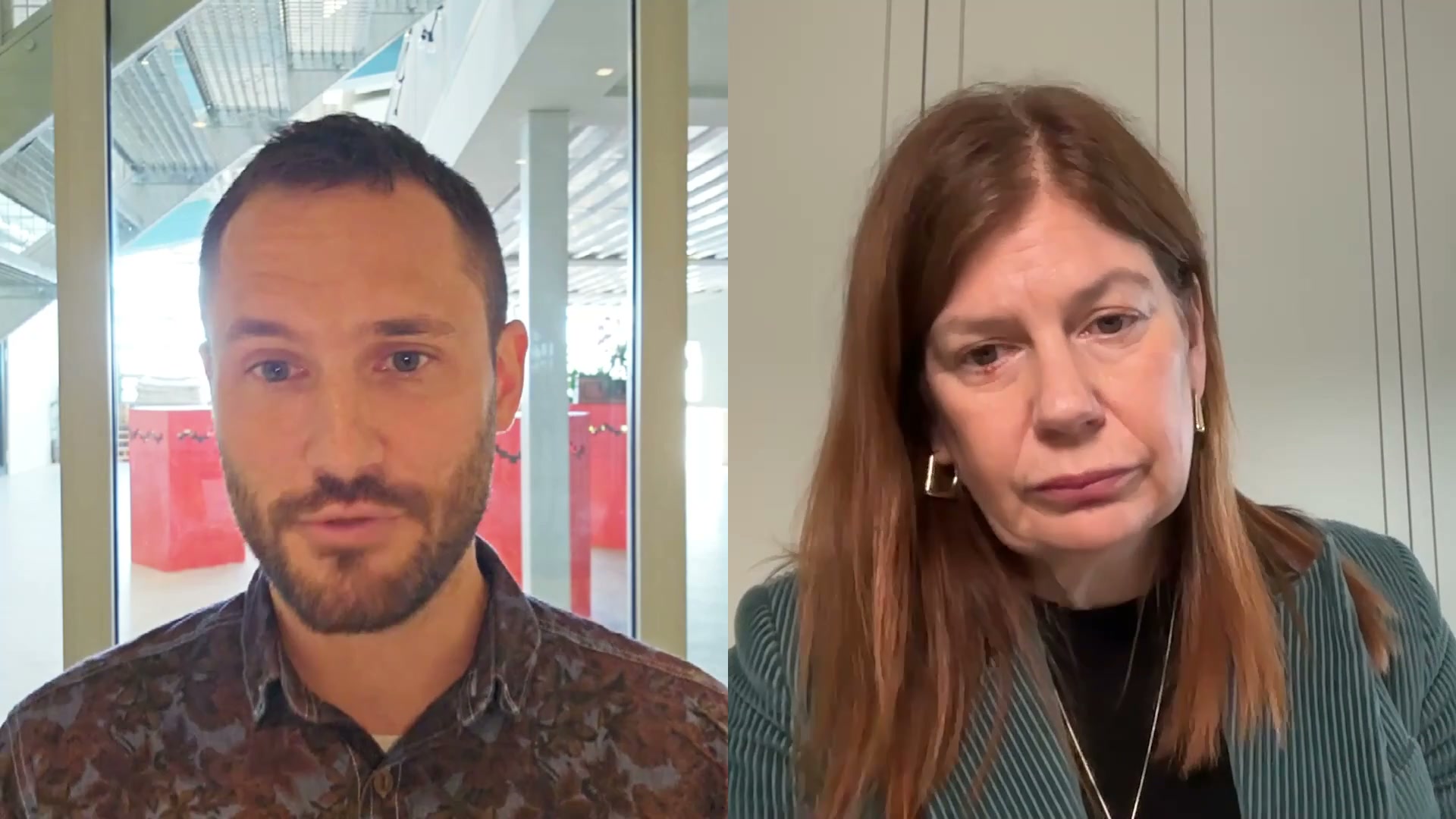
A photograph can have a documented history and still leave the most important question unanswered: did this begin with a real camera capture? On 5 November 2026, our co-founder and CEO, Jeppe Nørregaard, spoke with ATHENA founder Jessica Cecil about how InReality builds on content provenance to help people trace an image back to what the camera saw. Jessica was at the BBC when content provenance began its journey from an idea to a global defence tool.
Jeppe doesn’t argue that provenance has failed. His point is that provenance and authenticity do different jobs. A useful history needs a trustworthy starting point.
Why Jeppe sat down with Jessica from ATHENA
ATHENA maps the defences being built against AI-driven deception. Its article, How a small coalition built a global defence tool against digital deception, explores the growth of the Coalition for Content Provenance and Authenticity (C2PA), with insights from the BBC’s Judy Parnall. For the section C2PA in practice: back to what the camera saw, Jessica Cecil spoke with Jeppe about how InReality puts the standard to work.
The wider context matters here. A common standard lets cameras, editing tools and publishers pass a file’s recorded history along. What it can’t do, as Jeppe argues, is tell you what that history actually proves.
Clip from the interview
A luggage label does not tell you what is inside
Speaking with Jessica from ATHENA, Jeppe compares watermarking to labelling a suitcase. The label can tell you whose suitcase it is. It can’t tell you whether what’s inside is safe.
The same goes for digital media. A mark of ownership, a record of edits and evidence of camera origin are all useful, but they aren’t the same thing. A signed record attached to an AI-generated image doesn’t turn it into a photograph of something that happened.
A file’s history is evidence to examine, not a shortcut around the question of authenticity.
C2PA makes provenance information tamper-evident and attributable, and it can describe how media was created, including with generative AI. What we should focus on is using C2PA to prove authenticity as well as provenance, by signing at the source, at the point of capture.
Rewind to the shutter, not just the last save
In the conversation, Jeppe walks Jessica from ATHENA through what InReality follows: the journey from camera to screen. Instead of asking whether the finished image looks convincing, the aim is to establish where it came from and make any recorded changes visible.
Think of an insurance photo of a dented car. An exposure adjustment might make the damage easier to see; a crop might cut out the background. Neither is necessarily deceptive. What matters is whether the assessor can see those changes and, with the creator’s permission, get back to the original capture.
Three questions to ask of any image:
- Provenance
- What does the record say about the file’s origin and recorded changes?
- Capture assurance
- What evidence supports the claim that the original came through a trusted camera-capture process?
- Human judgement
- Does that evidence support the story being told about the image?
The last question still matters. A genuine photograph can be miscaptioned, staged or taken out of context. Cryptographic signing protects the integrity of the signed content and record; it does not make every interpretation of the scene true.
Giving real work a way to stand out
For photographers, journalists and anyone sharing evidence, the problem isn’t just that convincing fakes exist. Real work now sits in the same feed as them, with nothing to tell the two apart.
“We want to bring value to real work and to real content.”
That is how Jeppe sums up the ambition for Jessica from ATHENA. InReality checks content at source, signs it cryptographically and leaves verification open to whoever receives it. The content verification record gives audiences something more useful than “trust us”: evidence they can look at themselves.
None of this is an argument against generative AI. It is an argument for keeping a clear line where a real-world capture matters: in news, in identity checks, in an insurance claim.
The question to ask next
When you see Content Credentials, don’t stop at “there is a record”. Ask: what does it record, who stands behind it, and how far back towards the source can I verify?
For the broader story of C2PA and Jeppe’s full conversation, read the complete ATHENA feature. For a deeper explanation of the distinction, continue with Provenance Is Not Authenticity (And Why the Difference Matters), or explore InReality Capture.
Source
ATHENA Team, How a small coalition built a global defence tool against digital deception, 5 November 2026. This post is InReality’s commentary on the feature; the interview quotations above are attributed to Jeppe Nørregaard in ATHENA’s original article.
Cover: a still from Jeppe Nørregaard's video conversation with Jessica Cecil from ATHENA, an initiative mapping the defences against AI-driven digital deception.